
SEWER
The City of Hidden Hills sewer network is composed of 16 miles of sanitary sewers with 2 pump stations. The City’s sewer network is regularly maintained by the LA County Consolidated Sewer Maintenance District and sewage is treated by the Las Virgenes Municipal Water District. Please see our Sanitary Sewer Management Plan (SSMP) for more information.

Wastewater Collection
Sewer Pipeline Network
Sewage (often called wastewater) most often enters the sewer pipeline network from kitchen, bathroom, and laundry drains in our homes and businesses. Also, some industries and larger businesses have special permits allowing them to place wastewater from their operations into the sewers.
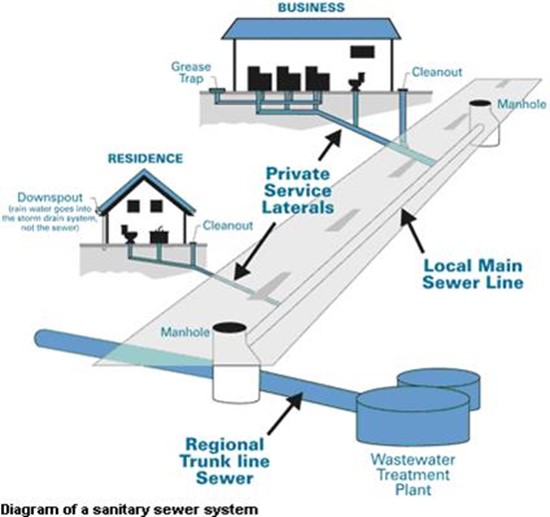
Like small creeks that feed larger streams that turn into rivers, sewers become larger and larger as the sewage flows further and further “downstream”. Sewage first flows through small diameter sewers called lateral pipelines that take the sewage away from a home or business and into sewer mains that run under streets, alleys, or other rights-of-way. Lateral pipelines connect to collectors and trunk lines, all larger and larger pipes that eventually become interceptor sewers – the largest pipes in a sewer system. The interceptors can often be over eight feet in diameter and carry millions of gallons per day. These huge pipes convey the sewage to the treatment and water reclamation plants.
Pump Stations
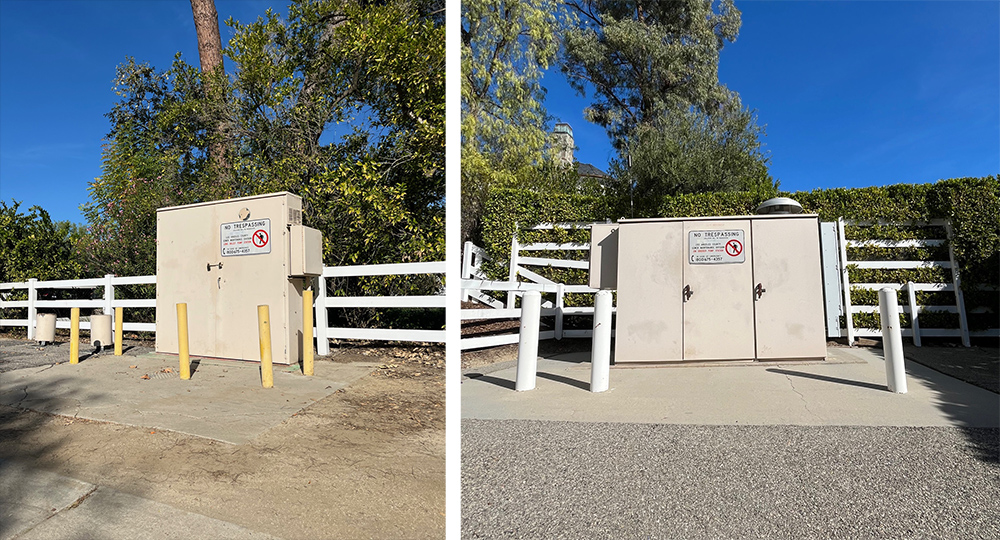
Most sewers are designed so that gravity alone carries wastewater to the treatment plants. Low-lying areas such as some beach communities or valley locations need pump stations to push wastewater uphill through pipes that are under pressure (force main sewers) so that the sewage can reach a gravity sewer. The City of Hidden Hills has 2 pump stations, operated by the Consolidated Sewer Maintenance District.
Sewer Siphons
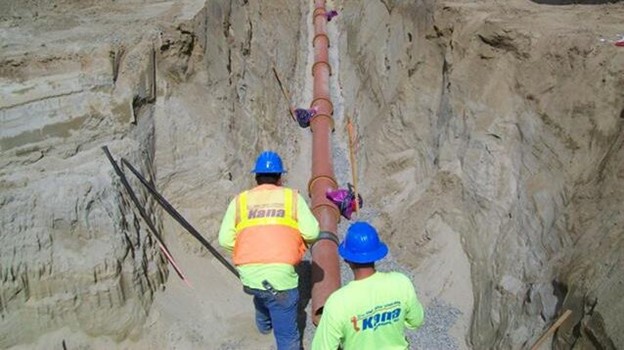
Sewer siphons are used to move sewage underneath freeways, rivers, or other potential obstructions that could disrupt the sewer’s route. The sewer dips under the obstruction and then comes up on the other side and ties back into the sewer at about the same elevation where it began the dip. Like a siphon used to take gasoline from a car, the sewer siphon is powered by the pull of wastewater on its downstream side.
Wastewater Treatment
Treatment Plants
Sewage that begins in your home or business eventually flows into a wastewater treatment plant. At the wastewater treatment plant, the wastewater is treated through various steps to remove solids and other contaminants until it has reached an environmentally safe level to be suitable for disposal or reuse. The treated wastewater (effluent) that is not reclaimed is piped into the Los Angeles River, Santa Monica Bay, or Los Angeles Harbor to name a few. The effluent meets or exceeds stringent state and federal water quality standards for it to be compatible with these aquatic environments. The Las Virgenes Municipal Water District treats all wastewater from Hidden Hills.
Homeowner Responsibilities
Did you know that YOU, as a homeowner, have a responsibility for maintaining the sewer system?
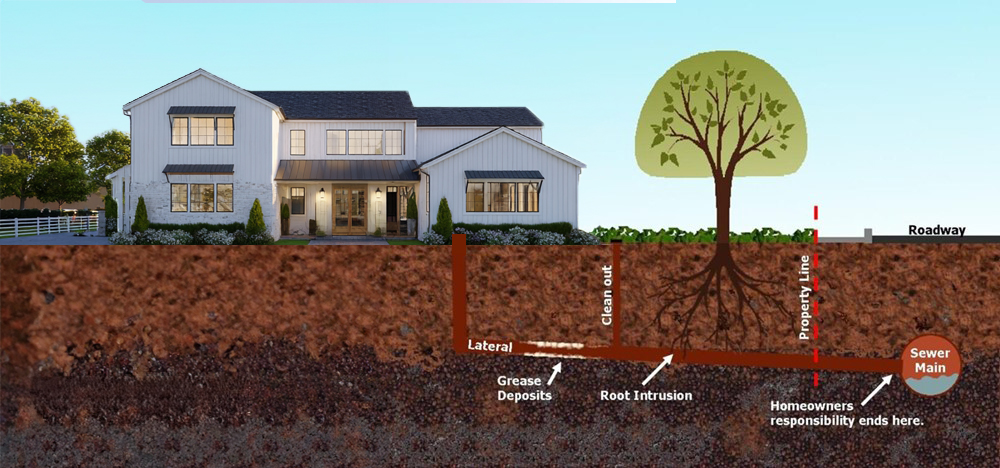
Homeowners are required to maintain the lateral from their home to the main sewer line, typically located in the street or nearby easement. Maintaining the lateral includes keeping the lateral line flowing and free of debris such as roots, or grease.
The sewer system within the County of Los Angeles Consolidated Sewer Maintenance District (District) is comprised of a series of underground pipes. Many are publicly owned; however, the sewer laterals are entirely owned by the private property owner they serve. The laterals extend from the building to the mainline within the street (or within an easement at the rear of your home). The laterals typically range from four to six inches in diameter while the District’s mainline is typically at least eight inches in diameter. The private property owner is responsible for the entire length of the lateral, which includes that portion that may be located within the public right of way (under the asphalt and street landscaping).
Sewer backups can cause tremendous damage to the interior of a home. To minimize these, the District provides continual maintenance services for the public sewer mainlines. Unfortunately, sewer laterals are often not maintained by private property owners until a disaster strikes. Out of sight, out of mind is a typical approach to sewer lateral maintenance and operation by many. We hope that we can provide you with various means of addressing these issues and thus minimize your risk of an overflow entering your home.
 Click image to view larger
The three methods we suggest are:
- Maintain your lateral through proper cleaning, repair, and replacement
- Do not place improper items into the sewer or make improper connections to the sewer
- Keep rainwater out of the sewer lines as it overwhelms the capacity of the sewer lines and may cause sewer spills.
- Do not pour fats, oils, and grease in your drains as these products harden and stick to the inside of the sewer pipes, which build up and may eventually cause a blockage in the sewer pipe. For more information, visit dpw.lacounty.gov/SMD/grease.
- Install a backflow preventer and cleanout in your sewer lateral.
Taking these simple steps can help keep the flow going and prevent costly overflows and damage.
Services
- Service Locator
- Sewer Maps
- Report A Problem
- Los Angeles County – Sewer
- For 24-hour Emergency Maintenance Service Call 1-800-675-HELP (4357)